|
Every year between 4,000 and
6,000 tons of sunscreen washes off of tourists
during their vacations. This sunscreen contains
chemicals and oils that are harmful to the marine
ecosystem, particularly coral reefs. All over
Mexico, the use of biodegradable sunblock and sunscreen
is starting to be required for entry to water activities such as
scuba diving, snorkeling tours, or even just for swimming.
At such famous locales such as
Xcaret, Xel-Ha, Garrafon Park, Chankanaab Park,
and the protected marine park in Cozumel, use of
biodegradable sunscreen is mandatory, and any other
type of sun products are confiscated upon entry
to their facilities. Puerto Vallarta has not
yet instituted these strict requirements, but we
encourage everyone to use them.
|
FREQUENTLY ASKED QUESTIONS
Q: What is biodegradable sunscreen?
A: Biodegradable sunblock is an environmentally
friendly sunscreen that lacks the harmful ingredients
that are destroying the world's coral reefs.
These sunscreens are biodegradable, meaning they
break down naturally in the environment, and eco-friendly,
meaning that they minimize damage to the environment.
We strongly encourage using only biodegradable sunscreen
anytime you're in the water.
Q: What kind of damage does
sunscreen do to the marine ecosystem?
A: One of the most harmful things to
the natural underwater environment of Mexico and
elsewhere is the sunscreens, oils, and sunblocks
worn by tourists. We don't think of it, but
when we swim in the water, these oils come off and
settle on the coral reefs and other marine life,
and in volume can almost act like an oil slick in
the water, creating damage to the delicate ecosystems.
The reefs are suffocated, and sunscreens are one
of the biggest causes of bleaching to our reefs,
and the death of much of the world's coral.
Oxybenzone, a common ingredient in sunscreens,
has even been shown to feminize fish.
Q: I've never heard of this
before. Are you making this stuff up?
A: See the links below for the latest information.
ABC News: Sunscreen Accelerating Demise of Coral Reefs
NPR: Chemichals in Sunblock harm Coral Reef
Coral Reef Alliance: Sunscreen and Corals
National Geographic: Sunscreen is Destroying Coral Reefs
The Ocean Foundation: Your Sunscreen is Killing Coral Reef
Q: Why does coral get
bleached? Is coral bleaching really a problem?
A: The ingredients in normal sunscreens
promote viral infection in the coral, as well as
covering it with oils and goo. Between 4,000
and 6,000 tons of sunscreen wash off swimmers every
year on their vacations. As much as 25% of the world's
coral reefs are in imminent danger of collapse due
to human pressures, and another 25% is in longer
term danger.
Q: Where can I buy
Biodegradable Sunscreen?
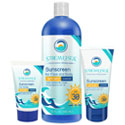
A: Our preferred brand is
Stream 2 Sea, you can see the banner at the top of
the page. However, there are other good options
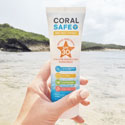
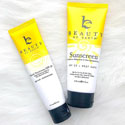
as well. There are eco-friendly products made
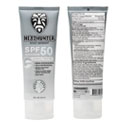
by Mexitan,
Beauty by Earth, Headhunter Surf, and
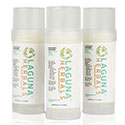
Laguna Herbals. Some health food
stores carry these items, but they are few and far
between. Your local drug store will normally
not stock these brands. Sometimes you can
find these brands in Mexico, but they are not widely
carried at the tourist shops or drugstores in Puerto
Vallarta. Your best bet is to buy them online
before your trip.
Q: Are there certain ingredients
to watch out for?
A: Some of the most harmful ingredients
that many sunscreens contain, including some that
are actually biodegradable such as those made by
Nature's Gate and Australian Gold, are PABA, octinoxate,
oxybenzone, 4-methylbenzylidene camphor, oils, chemicals
or the preservative butylparaben. If your
sunscreen has any of these ingredients, it is not
safe for use on the reefs.
|
|